 Create Material
Strategic Guide: Solar Panel Mounts For Flat Roofs in the Global Energy Transition
As the world pivots towards decentralized, renewable energy, the commercial and industrial (C&I) sector is increasingly turning its gaze toward underutilized real estate: the flat roof. For facility managers, developers, and solar installers, the challenge isn't just about photovoltaic efficiency, but the **structural reliability and longevity of the mounting ecosystem**.
The Evolution of Flat Roof Solar Mounting
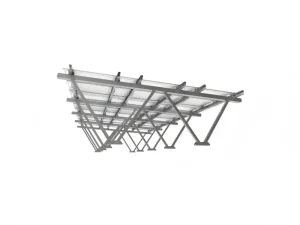
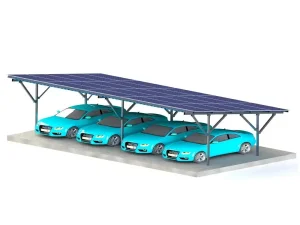
Flat roofs, prevalent in warehouses, factories, and commercial complexes, present a unique engineering puzzle. Unlike sloped residential roofs, they require specialized **ballast-based or low-penetration systems** that optimize wind load distribution without compromising the roof's structural integrity. Modern mounting systems from China, particularly those engineered by high-standard manufacturers like Create (Tianjin), have evolved to integrate aerodynamic designs that reduce total ballast weight while ensuring stability against extreme weather events.
China’s Manufacturing Edge: Efficiency & Quality
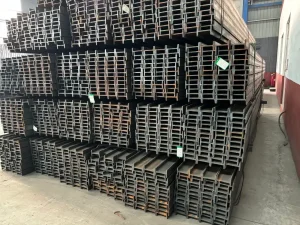
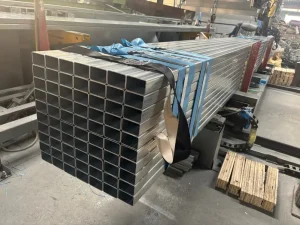
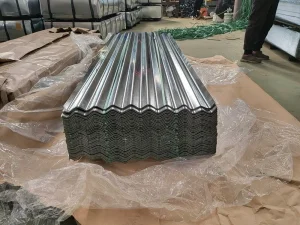
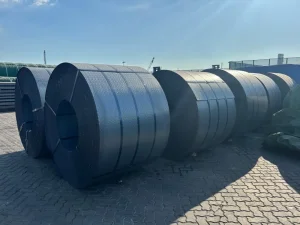
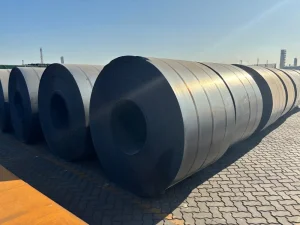
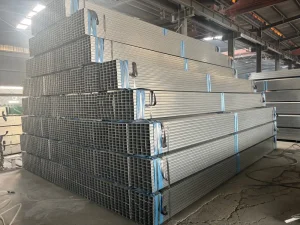
The global shift towards "China Plus One" sourcing models often overlooks the deep technical maturity of the Chinese steel and metal manufacturing sector. When sourcing Solar Panel Mounts for flat roofs, buyers are not just looking for low cost; they are looking for **standardization and repeatability**. Chinese factories have mastered the cold-formed steel and aluminum extrusion processes that are vital for mounting durability. High-grade Q235B or Q355B steel, when combined with sophisticated galvanization processes, provides a service life that meets or exceeds international ASTM or EN standards.
Key Considerations for Global Procurement
Navigating the procurement of mounting systems requires a keen understanding of three critical factors:
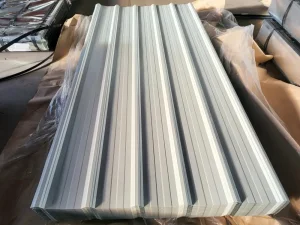
- Corrosion Resistance: Given the harsh environments of flat roofs, advanced hot-dip galvanization is non-negotiable.
- Adaptability: Systems that offer adjustable tilt angles (e.g., 5° to 30°) maximize sunlight harvest throughout different latitudes.
- Certification: Ensure that the manufacturer possesses ISO, CE, or TUV certifications, which validate the quality management systems in place.
Industrial Application: The Create (Tianjin) Philosophy
Founded in 2010, Create (Tianjin) Material Co., Ltd. has established itself as more than a supplier—we are an engineering partner. Our expertise spans from flat-rolled carbon steel to highly engineered structural profiles essential for solar mounting systems. We bridge the gap between heavy industrial capacity and the precise needs of renewable energy infrastructure.
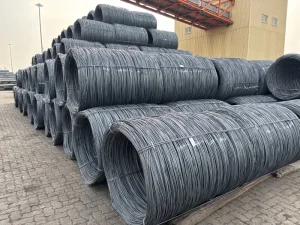
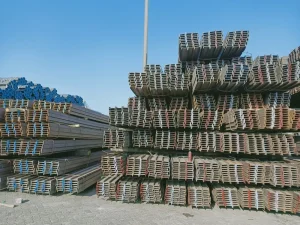
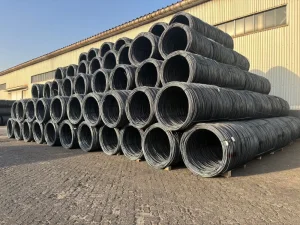
Our approach is simple: We view a mounting system as a piece of architectural infrastructure. It must withstand decades of thermal expansion, wind shear, and precipitation. By controlling the supply chain from the raw steel rod to the final C-purlin or mounting bracket, we ensure a seamless integration of materials that reduces project costs by 15-20% compared to fragmented sourcing.
Future Trends: Where the Industry is Headed
The next decade of solar mounting will be defined by **BIPV (Building Integrated Photovoltaics)** and intelligent tracking systems. Even on flat roofs, fixed-tilt systems are increasingly being replaced by aerodynamic, low-profile racks that require no roof penetration, preserving warranty status for building owners. Additionally, the integration of energy storage systems (BESS) directly under the mounting structure is emerging as a critical trend for industrial microgrids.
Frequently Asked Questions (FAQ)
Q1: Why choose Chinese manufacturers for solar mounting hardware?
A: Chinese manufacturers offer an unmatched combination of scale, metallurgical quality (especially in galvanized steel), and competitive pricing. When selecting, prioritize manufacturers with export experience and international testing certifications.
Q2: What is the benefit of C-Purlin solar mounting?
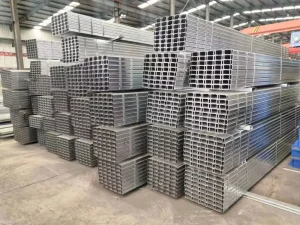
A: C-Purlins offer high strength-to-weight ratios, making them ideal for large-scale commercial solar arrays. They are versatile, easy to install, and cost-effective compared to custom-fabricated aluminum profiles.
Q3: How do we ensure quality from overseas?
A: Standardize your procurement. Request material test reports (MTR), visit facilities (or employ third-party inspectors), and start with trial orders to verify consistency in the galvanization thickness and dimensional accuracy.