 Create Material
Create Material
Create Material
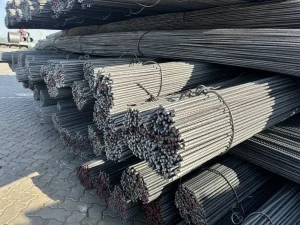
In the landscape of modern construction, the selection of ASTM A615 Grade 60 or HRB400/HRB500 isn't merely a material choice—it's an engineering decision. As global infrastructure demands shift toward higher tensile strength and seismic resilience, our manufacturing processes in Tianjin integrate Industry 4.0 standards to ensure every ton of rebar meets strict international tolerance levels.
Our commitment goes beyond traditional manufacturing. By leveraging automated rolling lines and real-time material tracking, we mitigate the volatility of the global steel market. We provide our international partners with just-in-time delivery and consistent chemical composition, crucial for high-rise residential and heavy industrial projects.
We combine over a decade of technical mastery with verified testing procedures to ensure your construction projects remain structurally sound for decades.
From Southeast Asia to Latin America, our logistics network provides end-to-end supply chain visibility for large-scale procurement.
Focusing on Information Gain, we provide custom material reports that help engineers optimize rebar layouts for cost-efficiency.
Q: What is the primary difference between A615 Grade 60 and HRB400?
A: While both are vital reinforcement bars, A615 is the American standard for carbon steel, whereas HRB400/500 are high-strength hot-rolled ribbed bars common in Asian and international markets.
Q: How do you ensure supply chain stability?
A: Through our direct-from-mill model and optimized buffer inventory in Tianjin, we insulate our clients from global price spikes.
Q: Can you provide customized tensile specifications?
A: Yes, our R&D team can calibrate production to meet specific ductility and yield strength requirements for seismic-sensitive designs.