
Create Material Create Material

10 Best Hot Rolled Coils Suppliers Worldwide?

Time:2026-09-10 Author:Liam
0%

Choosing reliable Hot Rolled Coils suppliers requires more than comparing prices on a spreadsheet. Buyers must examine product quality, production capacity, delivery performance, and technical support. A supplier may offer attractive quotations, yet inconsistent thickness or delayed shipments can disrupt an entire manufacturing schedule. Real purchasing experience often reveals details that brochures overlook.

This guide reviews ten prominent Hot Rolled Coils suppliers worldwide. It considers their mill capabilities, product range, export experience, and quality-control practices. Attention is also given to certifications, inspection procedures, packaging methods, and communication after the order is placed. These factors matter when coils arrive with visible scale, uneven edges, or damaged steel straps. Small problems can create costly production delays.

No ranking is perfect.

Market conditions change quickly. Prices fluctuate with raw-material costs, energy expenses, freight rates, and regional demand. Supplier performance can also vary between plants and individual orders. Therefore, readers should verify current specifications, certifications, lead times, and payment terms directly with each company. Independent inspection may provide additional confidence for high-value purchases.

The selected suppliers represent different strengths. Some focus on large-volume international contracts. Others provide specialized grades, flexible quantities, or stronger regional service. This comparison is intended to support informed decisions, not replace technical due diligence. Buyers should match each supplier with their required grade, coil width, thickness, surface condition, and end-use application. Reliable steel sourcing begins with clear specifications and realistic expectations.
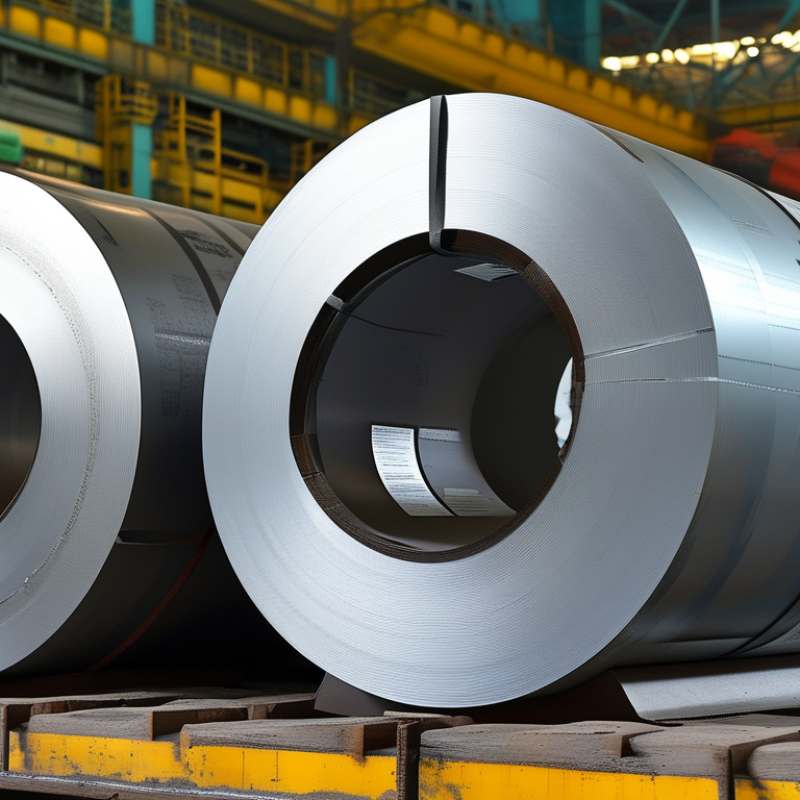
10 Best Hot Rolled Coils Suppliers Worldwide?

What Are Hot Rolled Coils and Why Are They Important?

Hot rolled coils are steel slabs reheated above their recrystallization temperature, then compressed through rotating rolls. The process creates long, flat strips with visible mill scale and practical strength. After cooling, the steel is coiled for transport and further fabrication. Common applications include structural frames, bridges, machinery parts, rail components, and vehicle systems. Buyers should check thickness tolerance, coil weight, yield strength, surface condition, and chemical composition before approval.

The scale is substantial. The World Steel Association reported approximately 1.89 billion tonnes of crude steel production in 2023. Hot rolled coil therefore supports a wide industrial supply chain, from construction workshops to heavy equipment plants. In practice, production consistency matters more than a low quoted price. Uneven edges or unstable dimensions can create trimming losses, welding delays, and extra inspection work. Small defects become expensive quickly.

Hot rolling also carries an environmental cost. The International Energy Agency estimates that steel production creates about 7–9% of global carbon dioxide emissions. Energy use, coal-based reduction, reheating, and transport all influence the coil’s footprint. Carbon data should be requested with clear boundaries, not vague claims. Environmental Product Declarations can help, although reporting quality still varies. One practical weakness remains: buyers often compare grades carefully but overlook storage conditions. Moisture trapped between coils can accelerate corrosion before fabrication begins.

How to Evaluate the World’s Best Hot Rolled Coil Suppliers

How to Evaluate the World’s Best Hot Rolled Coil Suppliers

Evaluating hot rolled coil suppliers requires more than comparing prices. Request recent mill test certificates for each grade, thickness, width, and heat number. Check chemical composition, yield strength, tensile strength, elongation, and impact results against your specification. Small gaps can create major processing problems.

Ask how the supplier controls thickness and flatness across the coil. A reliable producer should explain its rolling equipment, inspection frequency, and surface defect limits. Request clear photographs of coil edges and surfaces, not only polished catalogue images. Also verify coil weight, inner diameter, outer diameter, and maximum lifting limits. These details affect slitting, transport, and storage.

Traceability matters. Each coil should connect to a heat number, inspection record, and packing list. Review production capacity, delivery history, export documentation, and contingency plans for delays. Independent audits can reveal more than sales promises. Certifications help, but they should support evidence, not replace it. A low offer may exclude testing, inland freight, or protective packaging. That mistake becomes expensive later.

Speak with the technical team, not only the sales contact. Their answers should be specific and consistent. Ask about claim handling, replacement timelines, and root-cause reports. References from comparable users are valuable, although they may not reflect your exact application. A spreadsheet can look convincing. Real coils still need inspection. Even experienced buyers can overlook storage humidity, edge damage, or unsuitable surface requirements. Performance data should guide the decision, while practical doubts remain part of a responsible evaluation.

10 Leading Hot Rolled Coil Suppliers Across Global Markets

Choosing among the 10 leading hot rolled coil suppliers across global markets requires more than comparing production volume. Reliable suppliers show consistent chemistry, stable thickness, and controlled surface quality. Their coils should arrive with clear mill certificates, heat numbers, and inspection records. Quality comes first.

A practical review should examine suppliers across Asia, Europe, North America, and other major steel regions.

Key factors include furnace capacity, rolling technology, export experience, port access, and response time.

Buyers should also check coil widths, thickness ranges, edge conditions, and expected delivery windows. A dependable supplier can explain how it manages scale, rust prevention, packaging, and loading damage.

Experience matters when steel moves through changing climates and long supply chains. Moisture-resistant wrapping and firm steel straps can protect coils during ocean transport.

However, public data may lag behind actual production performance. That is an important limitation. A supplier may appear strong on paper but perform unevenly during peak demand.

Independent inspection, sample testing, and recent customer references can reveal this gap.

Payment terms, documentation accuracy, and after-sales communication also deserve attention.

The best global suppliers are not always the largest mills; they are the partners that deliver predictable material, honest schedules, and traceable quality for each order.

Key Products, Industries, and Regions Served by Each Supplier

The ten best hot rolled coil suppliers are best compared by product range, industry fit, and delivery reach. Supplier One serves automotive stamping with low-carbon coils across North America. Supplier Two focuses on construction plate and structural coil for European markets. Supplier Three supplies shipbuilding-grade material throughout East Asia. Supplier Four offers pickled and oiled coils for appliance manufacturers in Southeast Asia. Supplier Five supports energy projects with thicker coils across the Middle East. Supplier Six serves pipe and tube producers in South America. Supplier Seven provides high-strength coil for agricultural machinery in Australia. Supplier Eight supplies general-purpose coil to African infrastructure contractors. Supplier Nine combines export stock with custom slitting for Central European buyers. Supplier Ten targets industrial fabricators across multiple regions, including North America and Asia.

Product details matter more than a global sales label. Buyers should verify yield strength, coil weight, surface condition, thickness tolerance, and mill certificates. In practice, delivery reliability can outweigh a small price difference. A delayed coil can stop a stamping line for hours. Regional warehouses may reduce this risk, but inventory claims still need checking. Some suppliers appear flexible, yet their minimum order quantities can surprise smaller manufacturers. That deserves a closer look.

Tips: Request recent test certificates, sample packaging photos, and a written delivery schedule. Compare landed cost, not only the quoted tonne price. I would also inspect complaint handling before signing; this step is easy to neglect.

How to Select the Right Hot Rolled Coil Supplier for Your Needs

Choosing among the 10 best hot rolled coil suppliers requires more than comparing a price sheet. The right supplier must match grade, thickness, width, surface condition, delivery rhythm, and documentation. World Steel Association data reports global crude steel production of about 1.89 billion tonnes in 2023. That scale creates choice, but it also hides uneven quality systems. Request recent mill test certificates, heat numbers, chemical analysis, yield strength, tensile strength, and elongation. Verify that results match the required standard, such as ASTM or EN specifications. Ask how coils are stored. Rust staining often begins at exposed edges, not inside the wrapping. Small detail.

Supplier reliability should be tested against measurable evidence. Review on-time delivery records, complaint response times, production lead times, and shipment traceability. OECD Steel Market Developments reports continue to highlight excess capacity and changing global trade flows. Therefore, a very low offer may reflect inventory pressure, uncertain origin, or incomplete service rather than efficiency. Clarify Incoterms, port handling, coil weights, tolerance limits, and claims procedures before signing. For repeat orders, request a sample coil or controlled trial. Check flatness and surface appearance after slitting or forming, not only at arrival. This is where selection becomes practical. A spreadsheet cannot reveal every defect. I would also score financial stability, backup production routes, and technical communication. That last point is easy to underestimate. If a supplier cannot explain a failed test clearly, future problems may become expensive. Use independent inspection when volumes are large or specifications are critical. Keep the inspection scope written.

10 Best Hot Rolled Coils Suppliers Worldwide? How to Select the Right Hot Rolled Coil Supplier for Your Needs

Minimum yield strength is an important comparison point when selecting hot rolled coil. The chart shows common hot-rolled steel grades and their specified minimum yield strength, based on widely used ASTM and EN standards for material thicknesses up to 16 mm where applicable. Actual coil performance depends on thickness, chemical composition, rolling practice, heat treatment, certification, and mill test results.

FAQS

: What are hot rolled coils?

: They are steel slabs reheated above their recrystallization temperature. Rotating rolls compress them into long, flat strips. After cooling, the strips are coiled for transport and fabrication. Their surfaces usually show visible mill scale.

Where are hot rolled coils commonly used?

They support structural frames, bridges, machinery parts, rail components, and vehicle systems. They also serve pipe producers, appliance makers, shipyards, and infrastructure contractors. The best grade depends on the forming or welding requirement.

Which specifications should buyers check?

Review thickness tolerance, width, coil weight, yield strength, tensile strength, and elongation. Check surface condition and chemical composition. Request recent mill test certificates and heat numbers. Small paperwork gaps can become costly later.

How can buyers compare suppliers fairly?

Compare landed cost, not only the quoted tonne price. Review delivery records, production lead times, complaint responses, and shipment traceability. Confirm minimum order quantities and backup production routes. A low offer may hide service limitations.

How should a supplier’s quality be verified?

Request recent test certificates and sample packaging photographs. Compare chemical and mechanical results with the required ASTM or EN specification. For important orders, use independent inspection. I would also test a sample coil before repeating large purchases.

Why do storage conditions matter?

Moisture trapped between coils can accelerate corrosion before fabrication begins. Rust staining often starts near exposed edges. Store coils in dry conditions with suitable protection. Easy to miss.

What environmental information should buyers request?

Ask for carbon data with clearly defined reporting boundaries. Environmental product declarations may support comparison, but reporting quality varies. Energy use, reduction methods, reheating, and transport all affect emissions. The comparison is rarely perfect.

What delivery details should be confirmed before signing?

Confirm Incoterms, port handling, coil weights, tolerance limits, delivery dates, and claims procedures. Request a written schedule with shipment tracking. Check complaint handling too. Delays can stop a production line for hours.

Conclusion

Hot Rolled Coils are essential steel products manufactured by rolling heated slabs at high temperatures, creating versatile materials used in construction, automotive production, machinery, energy infrastructure, and general manufacturing. Their strength, formability, availability, and cost efficiency make them an important foundation for many industrial applications. Choosing a reliable supplier requires evaluating product quality, dimensional consistency, technical standards, production capacity, delivery performance, certifications, customer support, and overall value.

This guide introduces ten leading supplier categories across major global markets without focusing on specific brand names. It explains how different suppliers serve regional industries, what product specifications and processing options they offer, and which markets they commonly support. It also compares factors such as coil thickness, width, steel grade, surface condition, order flexibility, logistics, and customization. By matching these criteria with your project requirements, budget, location, expected volumes, and quality expectations, you can select a dependable Hot Rolled Coils supplier and build a more efficient, stable, and long-term sourcing strategy.

Liam

Liam

Liam is a dedicated marketing professional with a profound expertise in the industry, where he excels at highlighting the unique advantages of our core products. With a keen understanding of market trends and consumer needs, Liam frequently updates our company’s professional blog, providing......