
Create Material Create Material

How to Choose the Best Hot Rolled Steel Sheet for Your Needs?

Time:2026-05-31 Author:Henry
0%

Choosing the right Hot Rolled Steel Sheet is crucial for your projects. The quality and properties of steel sheets can significantly impact performance and durability. Variations in thickness, surface finish, and yield strength must be considered. This decision can seem daunting, particularly for those unfamiliar with metal specifications.

Hot Rolled Steel Sheets offer advantages such as lower costs and ease of shaping. However, they also come with potential drawbacks, like lower tolerances. Understanding your specific needs is essential in making the best choice. Evaluate your application reflectively, considering both the strengths and weaknesses of these materials.

Engaging with industry professionals can enhance your knowledge. They can provide insights into common pitfalls and best practices. Ultimately, making an informed decision requires careful thought about how the chosen Hot Rolled Steel Sheet will perform in real-world conditions.
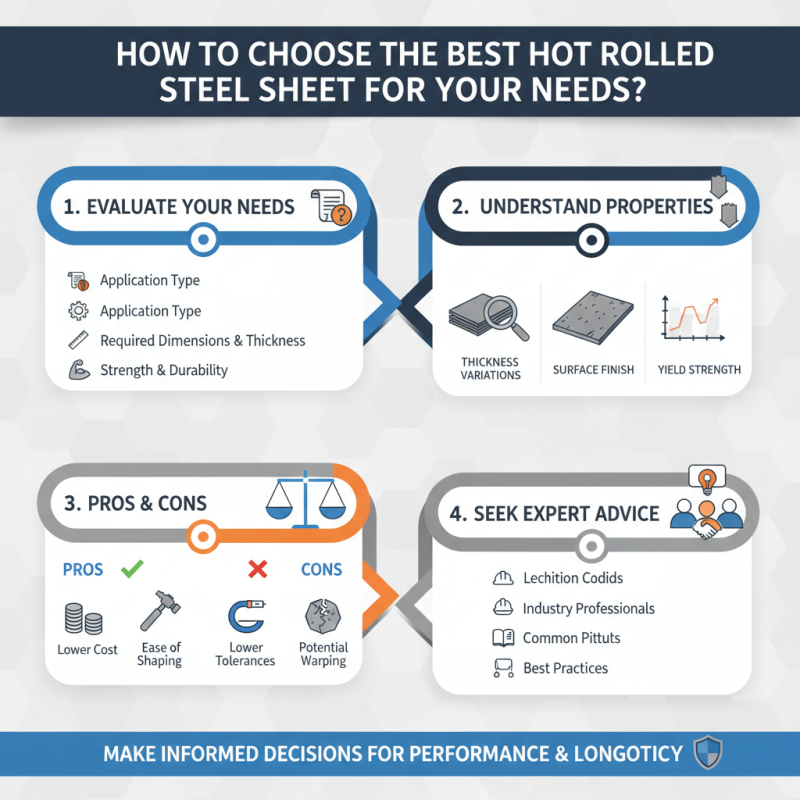
How to Choose the Best Hot Rolled Steel Sheet for Your Needs?

Understanding Hot Rolled Steel Sheets and Their Applications

Hot rolled steel sheets are vital in various industries, including construction, automotive, and manufacturing. They offer unique properties that cater to specific applications. Understanding these sheets will help in selecting the best one for your projects.

These sheets are produced by rolling steel at high temperatures, typically over 1,700°F. This process allows for easier shaping and forming. According to the World Steel Association, approximately 1.6 billion metric tons of crude steel were produced in 2021. A significant portion of this was hot rolled, demonstrating its importance in global manufacturing.

Applications vary widely, from structural components to automotive body parts. However, it's essential to consider factors like thickness and surface finish. While hot rolled sheets are often cost-effective, they may have imperfections. This includes surface roughness and inconsistent thickness, which can affect end-use. Proper evaluation of these parameters is crucial for optimal performance.

Industry data suggests that a well-chosen hot rolled sheet can enhance product durability and lifespan significantly, but careful analysis is necessary to avoid potential failures.

Key Factors to Consider When Selecting Hot Rolled Steel Sheets

When selecting hot rolled steel sheets, several factors come into play. The thickness of the sheet is critical. Thicker sheets often provide greater strength and durability. However, they can be heavier and harder to manipulate. Consider your project requirements. How much weight can you handle? Will a lighter sheet suffice?

Surface finish is another crucial aspect. Hot rolled steel often comes with a rough, scaled surface. This finishing can affect welding and painting. If aesthetic appeal is vital, you may need to invest in additional processing. Also, think about the sheet's yield strength. Higher yield strength indicates more resistance to deformation. Ensure your choice matches your structural needs.

Cost is also an essential consideration. While cheaper options may tempt you, they might lack quality. Evaluate your budget and project longevity. Sometimes, spending a bit more upfront can save money in the long run. Reflect on the balance between cost and reliability. The right hot rolled steel sheet should align with both your technical specifications and budget constraints.

Comparing Different Grades of Hot Rolled Steel Sheets

When selecting hot rolled steel sheets, understanding grade variations is crucial. Each grade serves different applications, affecting strength and durability. For example, A36 is a common structural grade steel, ideal for construction. It offers good weldability and machinability, making it a favorite among fabricators.

On the other hand, higher grades like A572 offer improved strength and resistance to atmospheric conditions. Reports indicate that A572 grades can withstand tensile strengths up to 65,000 psi. This property suits industries with demanding applications, such as bridges and heavy machinery. However, higher grades may involve different costs and processing requirements.

In contrast, economical options like A1011 provide sufficient versatility for less critical projects. While suitable for general-purpose usage, this grade is less resilient under extreme conditions. Choosing the right grade isn't just about immediate needs; it's about future performance. Each choice merits careful thought, as a mismatch can lead to structural failures and unnecessary expenses.

Evaluating Thickness and Dimensions for Your Specific Needs

Choosing the right hot rolled steel sheet is crucial for various applications. Evaluating thickness and dimensions is vital to meet specific project requirements. Typically, the standard thickness of hot rolled steel sheets ranges from 1.2 mm to 25 mm, but custom dimensions might be necessary. The gauge of the steel can impact its strength and flexibility, essential for load-bearing tasks.

Tips: Consider the nature of your project. A thinner sheet may be suitable for non-structural uses, while thicker sheets are preferable for construction.

When evaluating dimensions, it's important to assess the sheet width and length. Standard widths can vary between 1,200 mm to 2,500 mm. Depending on your needs, custom sizes can be requested. According to the American Iron and Steel Institute, specific applications may require precise measurements to ensure safety and durability.

Tips: Always consult with a steel expert. Your project's type will affect steel choice. If you're uncertain, erring on the side of caution is wise. Talk to professionals who understand your industry's specific challenges.

Cost Considerations and Budgeting for Hot Rolled Steel Sheets

When budgeting for hot rolled steel sheets, several factors come into play. The cost typically varies based on thickness, width, and weight. It’s crucial to assess your specific project needs. Larger projects may require bulk purchases, which can save costs overall. Price fluctuations in the steel market can also affect your budget. It’s wise to keep an eye on market trends.

Understanding the quality is essential. Cheaper options may seem appealing but can lead to higher long-term costs due to durability issues. Analyzing the grade of the steel is important too. Not all sheets perform the same under stress or environmental conditions. Scrutinize specifications to ensure your choice meets project demands.

Additionally, explore delivery costs. These can significantly impact your overall expenditure. Accounting for additional fees, like cutting or processing, is vital. Some suppliers may offer package deals, which could be beneficial. Always compare prices and services among different suppliers. Balancing quality with cost is key to making informed decisions in your hot rolled steel sheet selection.

FAQS

: What factors should be considered when choosing hot rolled steel sheets?

: Consider grade variations, thickness, and dimensions according to your project's requirements.

How does grade affect the performance of hot rolled steel sheets?

Different grades affect strength and durability. Higher grades like A572 offer improved strength and resistance.

What is A36 steel suited for?

A36 is a structural grade ideal for construction, providing good weldability and machinability.

What are the standard thickness ranges for hot rolled steel sheets?

Thickness typically ranges from 1.2 mm to 25 mm, but custom dimensions can be requested.

How do I choose the right thickness for my project?

Thinner sheets suit non-structural uses. Thicker sheets are better for demanding construction tasks.

Why is it essential to consult a steel expert?

Professionals help ensure you choose the right steel for your project, preventing mistakes that can lead to failures.

What happens if I select the wrong grade of steel?

A mismatch can cause structural failures and lead to unnecessary expenses in the long run.

Are there economical options available among steel grades?

Yes, grades like A1011 offer versatility for less critical projects but may lack resilience under extreme conditions.

How does sheet dimension impact my project?

Precise measurements for width and length are crucial for safety and durability in various applications.

Should I prioritize cost over quality when choosing steel?

While cost is a factor, quality should not be compromised, as it affects long-term performance and safety.

Conclusion

When selecting the best hot rolled steel sheet for your needs, it's crucial to understand its applications and characteristics. Hot rolled steel sheets are widely used in construction, manufacturing, and various industrial processes due to their durability and strength. Key factors to consider include the specific grade, as different grades offer varying mechanical properties and corrosion resistance, which can significantly affect performance in different environments.

Furthermore, evaluating the thickness and dimensions of the hot rolled steel sheet is essential to ensure it meets your project's requirements. Additionally, cost considerations play a pivotal role in budgeting for these sheets. By understanding these elements, you can make an informed decision that aligns with your project needs and financial constraints.

Henry

Henry

Henry is a dedicated marketing professional with a profound expertise in the company's offerings. With years of experience in the industry, he possesses an impressive understanding of the market dynamics and consumer behaviors that drive success. Henry is committed to sharing his insights through......