
Create Material
Choosing the right cold rolled steel sheet can significantly impact your project’s success. This material is utilized in various applications, from automotive to construction. Understanding its properties is crucial for making informed decisions.
When selecting a cold rolled steel sheet, consider thickness, width, and surface finish. Each project has unique requirements, and the wrong choice can lead to inefficiencies. Reflect on past experiences; did the chosen material meet your expectations? It’s often about finding the right balance between quality and cost.
Consult experts or reputable suppliers. Their knowledge can guide you, especially if you feel overwhelmed by choices. Remember, not every cold rolled steel sheet is created equal. Take time to research, ask questions, and ensure your selection aligns with your specific needs.
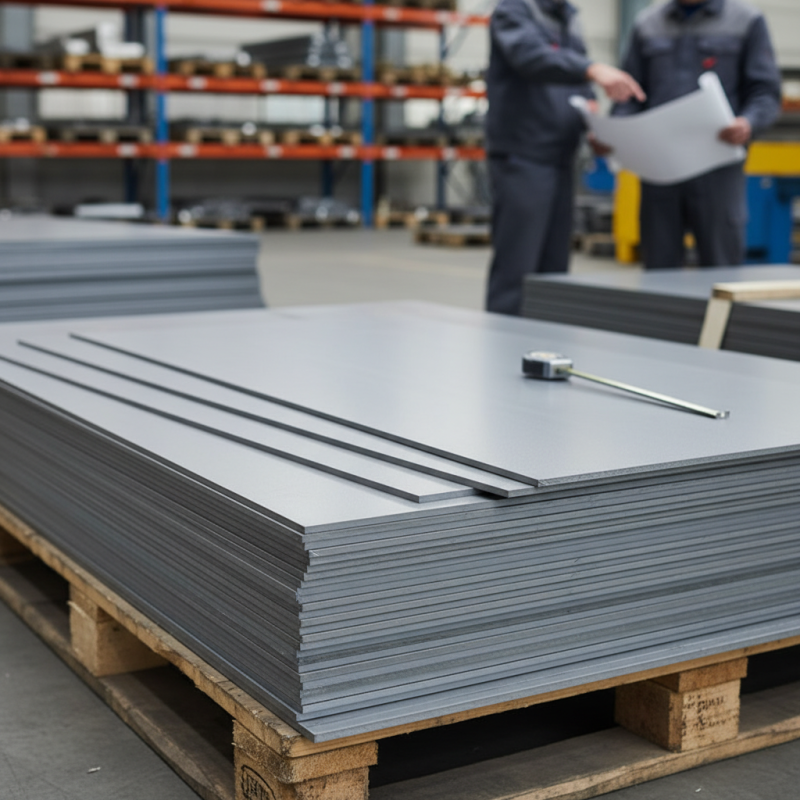
When choosing cold rolled steel sheets, understanding types and specifications is vital. Cold rolled steel sheets undergo processes that enhance their strength and surface finish. Common thicknesses range from 0.012 to 0.25 inches. This variety provides flexibility for different applications, from automotive to construction.
Key specifications include yield strength and tensile strength. Yield strength often exceeds 30,000 psi, while tensile strength can reach up to 80,000 psi. These figures illustrate how cold rolled steel can support heavy loads. However, choosing the right type based solely on these metrics can be misleading. The final application will dictate the necessary properties.
Surface finish is another critical factor. Standard finishes usually include smooth, matte, or polished options. A smoother finish can lead to better paint adhesion, vital in automotive parts. Yet, it’s essential to consider how the steel will be used. For instance, less smooth finishes may be preferable for better grip. Understanding these nuances can optimize material selection, ensuring it meets both functional and aesthetic requirements.
When selecting the right cold rolled steel sheet, several factors must be considered. Thickness is one of the most important attributes. It influences durability and strength. Typically, thicker sheets provide more support, while thinner sheets are lighter and more flexible. Identifying your project's requirements will inform your choice.
Another critical factor is the surface finish. Cold rolled steel sheets can have a variety of finishes, from matte to polished. The surface finish determines aesthetics and can affect the performance in different environments. For instance, smooth surfaces may resist corrosion better, while rough finishes may offer better adhesion for coatings.
Tips: Evaluate the environmental conditions. For outdoor projects, choose corrosion-resistant coatings. Cost is important too. Sometimes, higher-quality sheets justify their price through better performance. Always compare options to avoid overspending.
Reflect on your specific applications. Are you using the steel for structural integrity or decorative purposes? Each use may demand different properties. A little research goes a long way. Gather insights from experienced professionals to deepen your understanding.
| Factor | Description | Importance Level |
|---|---|---|
| Thickness | The thickness of the steel sheet affects its strength and application. | High |
| Surface Finish | Affects the aesthetic quality and corrosion resistance of the steel. | Medium |
| Yield Strength | Indicates the maximum stress that can be applied without permanent deformation. | High |
| Chemical Composition | Affects weldability, corrosion resistance, and overall mechanical properties. | High |
| Cost | Budget considerations can influence selection based on the application. | Medium |
| Availability | The ease of sourcing specific steel grades and sizes. | Medium |
When selecting cold rolled steel sheets, focus on mechanical properties. These properties significantly influence performance in various applications. Tensile strength, yield strength, and elongation are essential metrics to investigate. For example, different grades of steel exhibit varying tensile strengths, impacting how the material behaves under stress.
Hardness is another critical factor. It affects wear resistance and durability. Soft sheets may not withstand harsh conditions, leading to failure. Conversely, very hard sheets can be brittle. Striking a balance between hardness and ductility is important for many applications.
It's crucial to analyze each mechanical property in relation to the intended application. Testing methods like the Rockwell or Brinell hardness tests provide valuable insights. Understanding these details can prevent costly mistakes. Failing to consider the right specifications might lead to performance issues in the final product. Aim for a clear understanding of how each property interacts to optimize your choice.
When evaluating surface treatments and finishes in cold rolled steel, several factors come into play. Surface treatments enhance corrosion resistance, appearance, and durability. According to a report by the International Metallurgical Association, around 70% of cold rolled steel applications benefit from some form of surface finishing. Common options include galvanization, phosphating, and black oxide coatings. Each type serves different needs and environments.
Galvanization offers excellent protection against rust, making it ideal for outdoor use. In contrast, phosphating improves adhesion for paint and coatings, critical for automotive applications. Black oxide finishes provide minimal corrosion resistance but enhance aesthetics. A study from the Steel Processing Institute highlights that nearly 40% of failures in steel applications relate to inadequate surface treatment.
Choosing the right surface treatment requires careful consideration. Environmental exposure, intended use, and necessary aesthetics all play roles. However, many buyers overlook these details and select based solely on cost. This can lead to future inefficiencies or premature failures. Thus, understanding the implications of different treatments is essential for making informed choices in cold rolled steel applications.
When selecting cold rolled steel sheets, understanding pricing and supplier options is crucial. Many suppliers offer varying prices based on quality and processing. It's essential to analyze multiple quotes. This process can reveal significant price differences. Learning about the supplier’s reputation is also important. Look for reviews and feedback from past customers.
Cost-effectiveness goes beyond price alone. Consider the materials and manufacturing processes involved. Cheaper sources might utilize lower quality steel, impacting the final product. Sometimes, investing slightly more can yield better long-term results due to enhanced durability. Be wary of suppliers promising low costs without clear explanations.
Ensure you ask about bulk pricing as this can influence your decision. Negotiating can also lead to better deals, especially if you plan to order frequently. It's worth examining the total cost of ownership. Think about associated costs like shipping and handling. Factors such as these often get overlooked but can affect your overall budget significantly.
: Cold rolled steel sheets typically range from 0.012 to 0.25 inches in thickness. This variety suits many applications.
Key specifications include yield strength and tensile strength. Yield strength often exceeds 30,000 psi, while tensile strength reaches up to 80,000 psi.
Surface finishes can be smooth, matte, or polished. A smoother finish may improve paint adhesion in automotive parts.
Thickness impacts durability and strength. Thicker sheets provide support, while thinner sheets are lighter and more flexible.
For outdoor projects, consider corrosion-resistant coatings. This is vital for long-term performance in harsh environments.
Higher-quality sheets may justify their price through improved performance. Always compare options to avoid overspending on subpar materials.
Reflect on your specific needs. Different applications may demand distinct properties, affecting your material selection.
Yes, gathering insights from experienced professionals can deepen your understanding and optimize your material choices.
Absolutely. The surface finish affects not just appearance but also performance. Make sure it suits your project’s goals.
Not necessarily. Each application may need different specifications, so assess your requirements carefully when making decisions.
Choosing the right Cold Rolled Steel Sheet is crucial for achieving optimal performance in various applications. The article discusses different types and specifications of Cold Rolled Steel Sheets, emphasizing their unique characteristics and how they impact selection. Key factors such as mechanical properties, surface treatments, and finishes are analyzed to help users make informed decisions that align with their specific needs.
Additionally, the article covers the cost-effectiveness of various Cold Rolled Steel suppliers, highlighting the importance of comparing pricing while considering quality and performance. By understanding these aspects, readers can confidently choose a Cold Rolled Steel Sheet that meets their requirements, ensuring both reliability and value in their projects.
